Laptop by Day, Cocktail by Night: The New Bar Scene Powering Southeast Asia's Nomad Economy
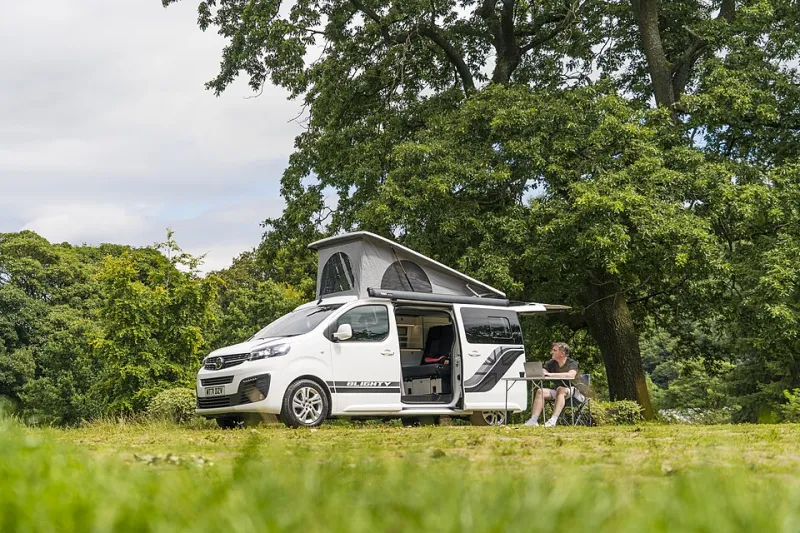
Photo: CruiseAmerica, CC BY-SA 4.0, via Wikimedia Commons
It's 6 p.m. on a Thursday in Chiang Mai. The last Zoom call of the day has wrapped, the laptops are closing, and the space that spent the past eight hours humming with keyboard clicks is quietly transforming. The standing desks fold away. The barista pivots to bartender. A cocktail menu appears where the coffee list used to be.
This is the new normal for a growing wave of American remote workers who've traded their apartments in Austin, Denver, and Brooklyn for long-stay visas and co-living arrangements across Southeast Asia. And the social infrastructure they're building around their lifestyle — centered, more often than not, around a well-made drink — is becoming one of the most interesting subcultures in modern travel.
Why Southeast Asia? Why Now?
The math isn't complicated. A software engineer earning a U.S. salary who relocates to Chiang Mai can rent a furnished apartment for $400 a month, eat well for under $15 a day, and still afford to go out regularly. Bangkok offers world-class infrastructure and nightlife at a fraction of what it costs in New York. Ho Chi Minh City — still often called Saigon by the people who live there — has emerged as a buzzy, fast-moving hub with a café culture that practically demands you sit down and stay a while.
But it's not just about the cost of living. It's about the quality of it. Southeast Asia offers something that remote work culture in the U.S. often struggles to provide: genuine community built around shared physical spaces. And increasingly, those spaces come with a cocktail program.
Bangkok: The Co-Work Lounge Goes Upscale
Bangkok has always had a reputation for nightlife, but what's emerged in neighborhoods like Ari, Ekkamai, and parts of Silom is different from the Khao San Road party scene that defined the city for backpackers a generation ago.
Spaces like Hubba-TO in Ekkamai and Mango (a co-working café that transitions into a cocktail bar by evening) have become anchor points for the nomad community. These aren't dive bars with Wi-Fi — they're thoughtfully designed environments where the afternoon cold brew and the evening negroni are equally considered.
"The people who come in here aren't looking to get wasted," says James, an American expat bartender who's been working in Bangkok for four years. "They want a good drink, a comfortable seat, and someone to talk to who isn't on a two-week vacation. The energy is completely different from tourist bars."
That distinction matters. In the nomad bar ecosystem, the goal isn't a quick round before moving on — it's connection, conversation, and often, collaboration. Freelancers find clients. Founders find co-founders. Strangers become colleagues.
Chiang Mai: The Original Nomad Capital Evolves
Chiang Mai has been on the digital nomad map longer than almost anywhere else in Asia. The combination of cheap rent, reliable internet, and a laid-back pace attracted remote workers before the term "digital nomad" was even widely used. But the scene has matured considerably.
The bars and lounges that cater to the nomad community here tend to be quieter and more intentional than their Bangkok counterparts. Places like CAMP (a long-running Mac-friendly café with a cult following), and the newer Mango Tree Social Club, have cultivated reputations as spaces where you can actually get work done in the afternoon and actually have a real conversation in the evening.
Sarah, a UX designer from Portland who's been based in Chiang Mai for two years, describes it this way: "Back home, you'd go to a bar with your existing friends. Here, the bar is how you make them. Everyone's kind of in the same situation — building a life somewhere new — so there's this openness that you don't get at home."
The cocktail culture here skews toward local ingredients: lemongrass-infused gin, Thai basil sours, drinks built around butterfly pea flower that shift color when the citrus hits. Bartenders who've come up in the nomad scene tend to be experimenters, sourcing from local markets and playing with flavors that don't exist on any standard Western cocktail menu.
Ho Chi Minh City: The Underdog With Serious Energy
If Bangkok is the established player and Chiang Mai is the laid-back veteran, Ho Chi Minh City is the one everyone's suddenly paying attention to. The city's energy is relentless — motorbikes, noise, heat, ambition — and the bar scene reflects it.
The nomad community here has coalesced around a handful of rooftop bars and ground-floor lounges in District 1 and the increasingly hip District 3. Spaces like Toong (a co-working space with a genuine cocktail menu) and the independent bar Layla have become informal headquarters for remote workers who want a scene with a bit more edge than Chiang Mai's gentle rhythms.
Mike, who left his marketing job in Chicago three years ago and now runs a remote content agency from Saigon, put it bluntly: "The hustle here matches my energy. I can work hard, go out, meet people who are building real things, and be back at my desk the next morning. The bars are part of the workflow, not an escape from it."
That attitude — the bar as a professional and social ecosystem rather than just a place to drink — defines what makes the nomad bar culture in Southeast Asia genuinely different from anything you'll find in the States.
How These Spaces Differ From Traditional Tourist Bars
The contrast with conventional tourist bars is stark. Walk into a backpacker bar in Bangkok's Silom area and you'll find people passing through — here for a week, gone by Sunday. Walk into one of the nomad-oriented spaces in Ari or Ekkamai and you'll find people who've been there for months and plan to stay.
The result is a depth of community that tourist bars simply can't replicate. There are regulars. There are inside jokes. There are WhatsApp groups that organize beach trips and co-working retreats. The bar becomes a hub, not just a stop.
For American travelers who are location-independent or considering the nomad lifestyle, these spaces offer something invaluable: a soft landing. Showing up in a new city alone is daunting. Showing up, finding a bar where the bartender knows the regulars and the regulars are happy to make room — that changes everything.
A Quick Guide for the Location-Independent Traveler
Do your research before you arrive. Facebook groups like "Digital Nomads Around the World" and city-specific communities on Reddit are goldmines for current recommendations. Spaces open and close quickly in these cities.
Go in the transition hour. The 5–7 p.m. window, when co-working spaces shift to bar mode, is the best time to meet people. Everyone's wrapping up work, the energy is social but not chaotic, and the drinks are often cheaper during happy hour.
Be a regular, not a tourist. Come back to the same spot two or three times. Learn the bartender's name. Ask what they're excited about on the menu. The nomad bar culture rewards consistency.
Respect the vibe. These aren't party bars. They're community spaces. Keep the conversation genuine and the noise level reasonable — you'll get more out of the experience, and so will everyone else.
The bars of Southeast Asia's nomad circuit aren't just places to drink. They're where a new kind of American abroad is figuring out what work, community, and adventure can look like when the old rules don't apply. Pull up a stool. Order something with lemongrass. Stay a while.
