Cane Fields, Copper Pots, and Culture: Why the Caribbean Rum Trail Is the Spirit World's Greatest Untold Journey
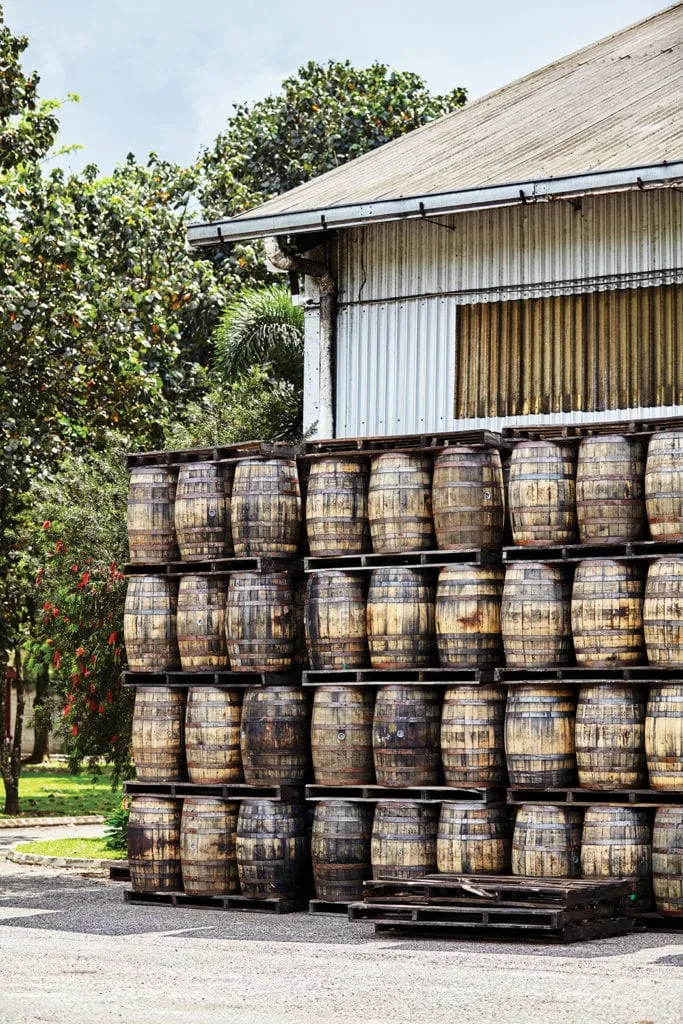
Photo: Caribbean rum distillery sugarcane barrels tropical, via imbibemagazine.com
There's a moment at Mount Gay's distillery in Barbados — standing in a low-ceilinged aging room, the air thick with what distillers call the "angel's share" — when it hits you. This isn't just a drink. It's a document. Every barrel in that room is a record of soil, rain, trade winds, and time. The oldest continuously operating rum producer on the planet has been writing that document since 1703, and most Americans visiting this island have no idea it exists.
That's the gap between Caribbean tourism and Caribbean rum tourism. One gives you a sunburn and a swim-up bar. The other gives you a story you'll spend the rest of your life telling.
Rum is having a serious moment in the spirits world. Bartenders across the US are building cocktail menus around single-origin expressions. Collectors are hunting aged Jamaican and Barbadian bottles the way whiskey nerds chase allocated bourbons. And yet, the actual source — the islands, the distilleries, the local rum shops where this culture breathes — remains wildly underexplored by American travelers. That's starting to change, and if you're the kind of person who books a trip around what's in the glass, you'll want to move before everyone else figures it out.
Barbados: Where Rum Has Roots Deeper Than Coral
Barbados doesn't just claim to be the birthplace of rum — there's a solid historical argument to back it up. The island's combination of British colonial infrastructure, volcanic soil, and consistent trade winds created ideal conditions for sugarcane cultivation, and by the mid-1600s, molasses-based distillation was already underway.
Mount Gay is the obvious starting point, and it earns that status. Their visitor experience has evolved well beyond a simple tour — you can now book blending sessions where you work directly with the distillery team to construct your own expression from different barrels and age statements. It's hands-on in a way that most American whiskey distillery tours haven't caught up to yet.
But Barbados rewards deeper exploration. Foursquare Distillery, run by the Seale family, has become something of a cult destination among serious rum enthusiasts. Master blender Richard Seale is something of a legend in the category — uncompromising, outspoken, and deeply committed to what he calls "authentic Caribbean rum." Their Exceptional Cask Selection series has won over critics globally, and a visit to the Foursquare rum shop attached to the distillery is one of those low-key, high-reward travel experiences that you don't find in a guidebook.
After distillery hours, Bridgetown's rum shop culture is its own education. These aren't cocktail bars in the polished American sense — they're neighborhood institutions, often family-run, where Banks beer and local rum flow alongside conversation that's been happening at the same bar stools for decades. Pull up a seat. Order a rum and ginger. Let the afternoon go sideways in the best possible way.
Jamaica: Funk, Fire, and Flavor You Can't Fake
If Barbados is rum's historical archive, Jamaica is its wild creative engine. Jamaican rum is defined by a production characteristic called "high ester" — a result of extended fermentation using natural wild yeasts and leftover distillation byproduct called dunder. The result is a funky, intensely aromatic spirit that polarizes newcomers and obsesses enthusiasts.
Appleton Estate in the Nassau Valley is the marquee stop. The estate encompasses its own sugarcane fields, a working distillery, and a rum bar that overlooks one of the most cinematic valleys in the Caribbean. Tours here connect the full agricultural picture — from cane to column still to barrel — in a way that's genuinely illuminating. Master blender Joy Spence, one of the first women to hold that title at a major distillery, has shaped Appleton's modern identity, and her influence is felt across every expression on the tasting menu.
For something rawer and less polished, Hampden Estate is where the serious enthusiasts make their pilgrimage. One of the oldest estates on the island, Hampden has maintained traditional Jamaican pot still production through decades when it wasn't fashionable, and their high-ester rums have developed a near-fanatical following among bartenders and collectors. The tour experience is more intimate and less produced than Appleton, which is part of the appeal.
Kingston's bar scene is its own chapter entirely. The city doesn't market itself as a cocktail destination, but that's exactly why it's interesting. Spots like Tracks and Records (co-founded by Usain Bolt, yes, that one) mix local rum cocktails with a genuinely Jamaican energy. More quietly, a handful of bartenders in New Kingston are building menus that treat Jamaican rum with the same seriousness that Nashville bartenders give Tennessee whiskey.
Trinidad: The Underdog Island With a Distillery That Punches Above Its Weight
Trinidad doesn't always make the rum tourism shortlist, and that's a mistake. Angostura — yes, the same company behind the bitters in nearly every cocktail bar in America — also produces a full range of rums that are wildly underappreciated in the US market.
The Angostura distillery complex in Port of Spain is a fascinating visit, partly because it operates at a scale that surprises first-timers. The aging warehouses hold hundreds of thousands of barrels, and the heritage museum on-site traces the brand's history from its origins in Venezuela to its current status as one of the Caribbean's most significant producers. The tasting room focuses on their premium aged expressions, which have been picking up serious attention at international competitions.
Trinidad also offers something no other Caribbean island quite replicates: the cultural collision of Carnival, Creole cooking, and rum that makes Port of Spain feel like a city permanently on the verge of a celebration. The local rum punch recipe — a closely guarded thing that varies by household and bar — is a good excuse to work your way through the city's neighborhood rum shops with the same curiosity you'd bring to a wine region.
How to Actually Plan a Rum Pilgrimage
The logistics of Caribbean rum tourism are more flexible than you might expect. Barbados and Jamaica both have direct flights from major US hubs — Miami, New York, Atlanta — making them viable long-weekend destinations if you're not ready for a full two-week island circuit. Trinidad requires a connection but rewards the extra effort.
Most distilleries offer tours that can be booked in advance online, and the premium experiences — blending sessions, private barrel tastings, dinner-with-the-distiller events — fill up quickly in high season (December through April). If you're serious about the behind-the-scenes access, book those before you book your flights.
The other thing worth knowing: the best rum experiences in the Caribbean often have nothing to do with a formal tour. They happen in a rum shop at 4pm on a Wednesday, or at a beach bar where the bartender pours from an unlabeled bottle they sourced from a small producer two parishes over. Come with curiosity, not just an itinerary, and the islands will fill in the gaps.
The resort version of the Caribbean will always be there. But the rum version — the one with history in the barrel and culture in the glass — is the trip worth taking.