Hidden Doors and High Balls: The Speakeasy Revival Breathing Life Into America's Forgotten Downtown Bars
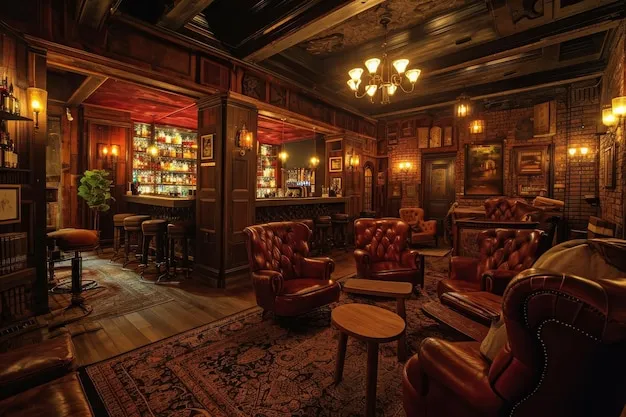
Photo: vintage speakeasy bar interior 1920s prohibition era dimly lit cocktails, via img.freepik.com
There's a password. There's always a password.
In a former dry-goods warehouse on a block that most GPS apps still refuse to acknowledge, a bartender in suspenders and a rolled-sleeve Oxford slides a Bee's Knees across a zinc bar top worn smooth by a century of elbows. The room smells like beeswax, old wood, and citrus peel. Jazz plays low enough that you can still hear the conversation two stools down. Nobody's Instagramming anything — not because the lighting's bad, but because the vibe makes you feel like maybe you shouldn't.
This is what the speakeasy revival looks like in 2024. And it's happening in cities you almost certainly aren't planning to visit.
Why Youngstown, Akron, and Gary Are the New Cocktail Destinations
Forget New York's Death & Co. or Chicago's The Violet Hour for a minute. The most interesting chapter in America's ongoing love affair with Prohibition-era drinking culture isn't being written in major metros — it's playing out in post-industrial towns that have spent decades trying to figure out what comes after steel, rubber, and assembly lines.
Youngstown, Ohio. Akron. Gary, Indiana. Scranton. These are places that got hit hard by deindustrialization and never fully recovered in the way the coasts did. But that economic reality left something behind: beautiful, cheap, historic architecture. Ornate brick storefronts. Vaulted basement ceilings. Tin-tiled back rooms that once housed actual Prohibition-era operations — because, let's be honest, a lot of these towns were very into bootlegging back in the day.
Entrepreneurs have started connecting those dots.
"We found letters in the walls during renovation," says Marcus Delray, who opened The Foundry Room in a repurposed Youngstown commercial building in 2022. "Actual correspondence about liquor shipments. We framed them and put them above the bar. That's not set dressing — that's the real thing."
Delray's bar serves a rotating menu of era-accurate cocktails — Aviation, Southside, Clover Club — alongside a handful of modern riffs that nod to the region's heritage. The Mahoning Valley Mule swaps ginger beer for a local craft ginger shrub and adds a dash of bitters named for a nearby county. It shouldn't work as well as it does.
The History Is the Hook
What separates the better speakeasy revivals from the gimmicky ones isn't the hidden entrance or the password — those are just theater. It's the research.
Bars like The Foundry Room and similar spots popping up in Rust Belt cities are partnering with local historians, libraries, and preservation societies to make sure their aesthetic is grounded in something real. The cocktail menus cite sources. The staff can tell you why the Sidecar was a status symbol in 1922. The playlists are sourced from actual period recordings, not just "jazz-adjacent" Spotify shuffles.
"Travelers are getting smarter," says Dr. Renee Okafor, a cultural historian at a mid-Ohio university who's consulted on several bar revival projects. "They've done the speakeasy experience in Nashville or Vegas where it's basically a theme park. When they find something that's actually rooted in local history, they respond to it completely differently. It hits different, as the kids say."
She laughs. She's probably in her mid-fifties.
"The Prohibition era wasn't just a national story," she continues. "It played out hyper-locally. Every city had its own crime networks, its own enforcement culture, its own relationship to drinking. When a bar in Gary, Indiana tells the story of Gary, Indiana — not just some generic 1920s fantasy — that's when it becomes genuinely interesting."
What the Travelers Are Actually Looking For
Ask anyone who's made a deliberate trip to one of these bars and you'll hear a version of the same thing: they were tired of the obvious.
Jamie and Theo Reston, a couple from Denver, spent a long weekend in Scranton last fall specifically because a bartender friend had tipped them off about a basement cocktail lounge operating out of a former coal company office building. They booked an Airbnb for three nights. They ate at a James Beard-nominated spot they'd never heard of. They took a tour of a local history museum they didn't know existed.
"We thought we were just going for the bar," Jamie says. "We ended up falling a little bit in love with the whole city. It felt like we were in on something. Like we'd found a cheat code."
That's the travel proposition these cities are quietly building — not despite their overlooked status, but because of it. The lack of tourist infrastructure that might seem like a drawback is actually part of the appeal for a certain kind of traveler. The ones who read sites like this one. The ones who want a story to tell, not a photo to post.
The Downtown Ripple Effect
It's worth noting that these bars aren't just serving cocktails — they're functioning as anchors for broader neighborhood revitalization. When a well-executed speakeasy opens on a block that's been dark for twenty years, things tend to follow. A coffee shop. A boutique bottle shop. A chef who's been waiting for foot traffic to justify the rent.
City planners in several Rust Belt metros have started actively courting this kind of hospitality development, recognizing that a compelling bar scene does something that tax incentives alone can't: it makes a place feel alive.
"We're not naive about it," says Delray. "A bar doesn't fix a city. But it creates a reason to be somewhere at 9 o'clock on a Tuesday night. And that matters more than people realize."
How to Find Them
By design, a lot of these places aren't easy to Google. That's partly aesthetic, partly practical — some operate in a regulatory gray zone that makes a low profile useful. Your best bet is to dig into local food and drink coverage from city alt-weeklies, check Reddit threads for the specific city, or ask at the hotel bar when you check in. The bartender usually knows.
Bring cash. Dress like you made an effort. Don't ask for a craft IPA.
And if someone gives you a password at the door, say it with confidence. You've earned it just by showing up somewhere nobody told you to go.
Planning a Rust Belt bar crawl? Drop your city picks in the comments — we're building a reader-sourced guide to America's most underrated cocktail destinations.