Old Barrels, New Tricks: Why America's Best Bartenders Are Heading to Portugal's Port Lodges
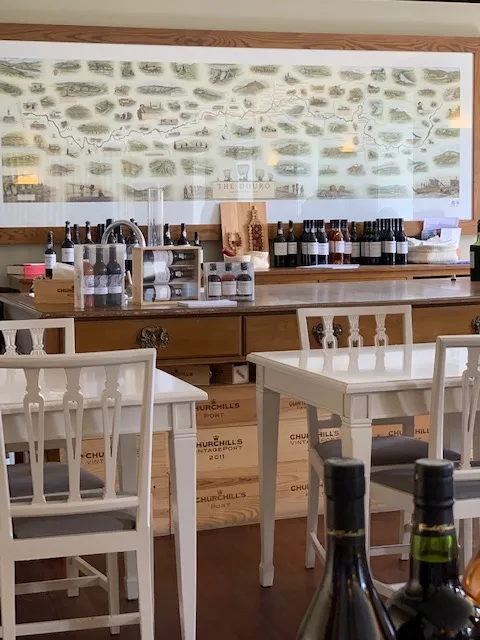
Photo: Whispyhistory, CC BY-SA 4.0, via Wikimedia Commons
There's a moment, somewhere between your third tasting pour and the low amber light filtering through centuries-old stone, when Vila Nova de Gaia stops feeling like a field trip and starts feeling like a calling. The city sits just across the Douro River from Porto, and if you've only ever seen it from a rooftop bar on the other bank, you've missed the real story. Down here, in the cool corridors of lodges that have been aging wine since before the United States existed, a surprisingly modern conversation is happening.
American bartenders are showing up. And the Port houses, cautiously at first, are letting them in.
A Tradition That Doesn't Need Saving — But Welcomes a Conversation
Port wine has an image problem in the States, and most people in the industry will tell you so off the record. It's the bottle gathering dust at the back of grandma's liquor cabinet. It's the thing you pour into a tiny glass after a holiday dinner and forget about. For decades, American consumers filed it somewhere between dessert and obligation.
But the bartenders arriving at lodges like Graham's, Quinta do Crasto, and Ramos Pinto aren't coming to rescue Port from irrelevance. They're coming because they've figured out something that the broader market hasn't quite caught up to yet: Port is one of the most complex, versatile fortified wines on the planet, and almost no one in the US cocktail world is using it properly.
"I didn't come here to modernize anything," says Marcus Delray, a bar director from Chicago who spent six weeks at a lodge in Gaia last spring. "I came because I realized I didn't actually understand what I was working with. You can't use an ingredient well if you don't know how it was made."
That philosophy — learn first, experiment later — is becoming the unofficial motto of this emerging cross-cultural exchange.
What the Lodges Actually Teach
The residency experience varies from house to house, but the core curriculum tends to involve getting your hands dirty in ways that no cocktail competition prepares you for. Participants spend time in the Douro Valley vineyards learning about the grape varietals — Touriga Nacional, Tinta Roriz, Tinta Barroca — that give different Port styles their character. They work alongside lodge staff during blending sessions, learning how a master blender balances fruit, tannin, and the oxidative qualities that come from years in wood.
They also, perhaps most crucially, sit with the stillness of it. Port production is slow. It is patient. It is the opposite of a busy Saturday night behind a bar in Brooklyn, and that contrast is apparently part of the point.
Sophia Reyes, a bartender from Austin who completed a residency last fall, describes the experience as "meditative in a way that made me a better bartender, not just a more knowledgeable one." She spent two weeks learning the difference between Tawny and LBV (Late Bottled Vintage) Port styles at a sensory level — not just reading about it, but smelling barrel samples side by side, tracing how oxygen exposure over ten or twenty years transforms the same base wine into something almost unrecognizable.
"When you understand the alchemy," she says, "you stop treating it like a modifier and start treating it like the main character."
The Tension in the Cellar
Not everyone at the lodges is thrilled about this exchange, and it would be dishonest to pretend otherwise. Some cellar masters and production staff are openly skeptical of the cocktail world's interest in Port. There's a legitimate concern that American bartenders will cherry-pick the most dramatic elements of production for Instagram content, then go home and dump Tawny into something with jalapeño-infused mezcal and call it innovation.
Those concerns aren't entirely unfounded. The craft cocktail industry has a well-documented habit of colonizing traditional spirits, flattening their cultural context in pursuit of the next interesting menu item. Port producers have watched what happened to Fernet in Argentina, to pisco in Peru, to mezcal in Mexico — beloved local traditions suddenly filtered through an American lens that doesn't always do justice to the source.
"We welcome curiosity," one production manager at a major Gaia lodge told us, choosing his words carefully. "What we ask is that curiosity come with respect. Port is not a trend. It is our history."
The bartenders who seem to be getting the warmest reception are the ones who arrive with that understanding already baked in. They're not pitching cocktail menus. They're asking questions and taking notes and, critically, they're buying rounds at the lodge's own tasting bar before they ever suggest anything.
What's Coming Back Across the Atlantic
The cocktails emerging from these residencies are, by most accounts, genuinely interesting. Delray has built a small but devoted following around a riff on the classic Bamboo cocktail that uses a ten-year Tawny in place of Amontillado sherry, paired with a house-made walnut bitters that mirrors the nutty oxidative notes he learned to identify in the cellar. Reyes has been experimenting with White Port — chronically underused and practically unknown in the US — as a base spirit in long, aromatic highballs that she describes as "the aperitivo hour drink Americans didn't know they needed."
Both of them are also doing something arguably more important than making good drinks: they're talking about Port differently. When they describe it to guests, they bring in the geography, the river valley, the specific slope of a vineyard. They talk about the people who made it. That kind of storytelling is what actually moves a spirit from novelty to staple.
Why Vila Nova de Gaia Deserves a Spot on Your Radar
For American travelers, Gaia tends to be an afternoon stop on a Porto itinerary — a quick cable car ride, a lodge tour, a few tastes, and back across the bridge for dinner. That's a shame, because the lodge district rewards slower attention. The cellars themselves are architecturally stunning, all vaulted stone and cool shadow, and most of the major houses offer experiences that go well beyond the standard tourist tasting.
If you have any interest in spirits or wine, spending a full day in Gaia — taking a proper lodge tour, sitting through a guided blending session, eating lunch in the lodge restaurant with a glass of Colheita — is one of the more quietly educational experiences available to a traveling drinker. You don't need to be a bartender to leave with a different understanding of what's in that bottle.
And if you happen to be a bartender? The lodges are, slowly but surely, becoming more open to serious conversations about what a deeper exchange might look like.
The barrels have been there for centuries. They can wait a little longer while the rest of us catch up.