Swirling Glasses and Stone Cellars: How France's Wine Country Learned to Love the Cocktail
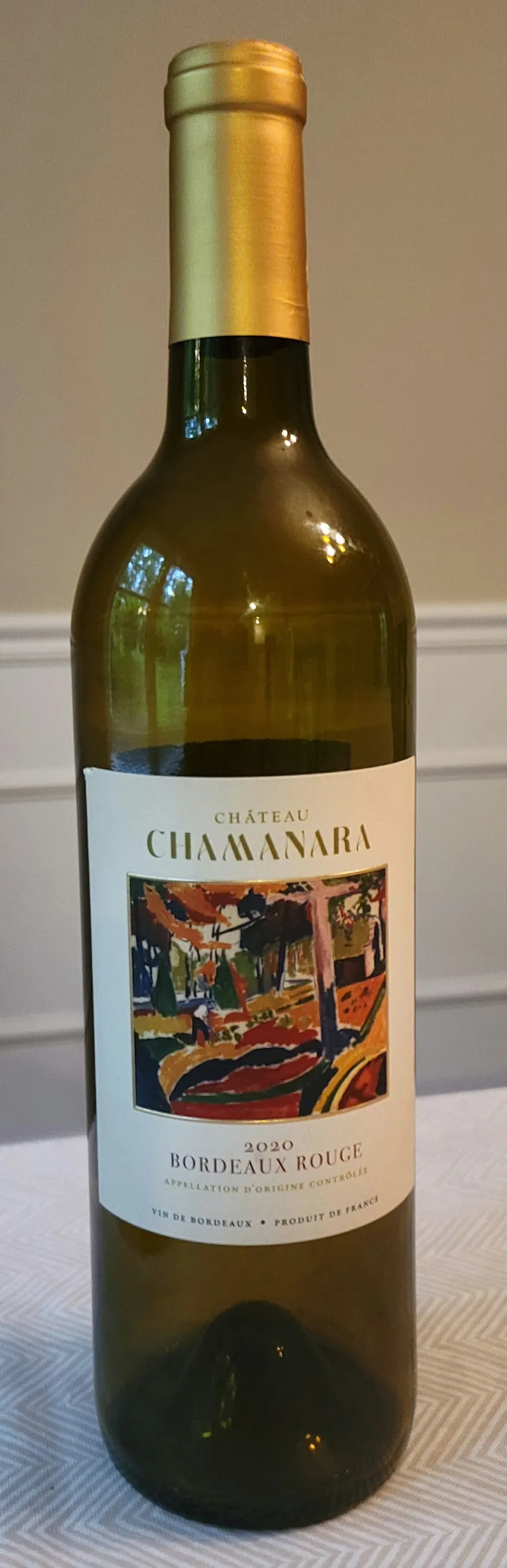
Photo: FrenchWineBordeaux, CC BY-SA 4.0, via Wikimedia Commons
For a long time, walking into a Bordeaux château and asking for a cocktail felt a little like ordering ketchup at a Michelin-starred restaurant. Technically possible. Deeply inadvisable. The region's identity was so thoroughly wrapped up in its wine — the classified growths, the legendary vintages, the centuries of terroir-obsessed tradition — that anything poured from a shaker felt like an act of cultural transgression.
That's changing. Quietly, and with a very French sense of deliberate cool, Bordeaux's wine country is opening its cellar doors to a new kind of traveler. One who loves great ingredients, cares deeply about craft, and maybe wants a Cognac Sidecar alongside their château tour.
The Cultural Shift Nobody Saw Coming
The story here isn't just about cocktails. It's about a region reckoning with its own mythology. Bordeaux built its global reputation on exclusivity — and for American visitors especially, that exclusivity often read as intimidation. You came, you tasted, you nodded respectfully, and you left feeling slightly underdressed.
But a younger generation of producers and hospitality directors has been watching what happened with whiskey tourism in Kentucky, agave tourism in Oaxaca, and craft beer towns across the American Midwest. They noticed that experience-driven travel — the kind where you don't just consume a product but understand it, touch it, maybe even help make it — was driving a whole new category of tourism dollars.
So they started building something different.
Several smaller châteaux in the Médoc and Entre-Deux-Mers appellations have quietly added immersive overnight stays in the last few years. Not just a spare room above the barrel room, either. Think restored stone guest quarters, candlelit dinners, and — here's the part worth crossing an ocean for — dedicated cocktail programming led by bartenders who trained first as sommeliers.
What a Sommelier-Trained Bartender Actually Does Differently
Imagine someone who can talk to you about acid structure and tannin balance in the same breath as dilution and bitters ratios. That's the profile of the bartenders now working at a handful of forward-thinking estates in the region, and the drinks they're producing are genuinely unlike anything you'd find at a hotel bar in Paris or a craft cocktail lounge in New York.
One approach gaining traction: using the estate's own grape-based spirits — young brandies, unaged eau-de-vie, even grape marc distillates — as the foundation for original cocktails. The results are drinks that taste unmistakably of place. An eau-de-vie sour built on local white grape distillate, brightened with verjuice from the estate's own press, garnished with a dehydrated slice of the region's wine grape. It sounds precious on paper. In a candlelit cave carved from limestone, with the vineyard visible through a narrow window, it's quietly extraordinary.
The key word from producers who are doing this well is complementary. Nobody is trying to replace the wine experience. They're extending it, giving guests another entry point into the same story of soil, climate, and craft.
The Brandy Angle Americans Are Missing
Here's the thing that surprises most American visitors: Bordeaux isn't just adjacent to Cognac country — it's practically neighbors with it. The Cognac appellation begins less than two hours north of the city, and a growing number of small, family-owned Cognac houses are now offering experiences that rival the best whiskey distillery tours you'll find in Tennessee or Scotland.
These aren't the big-name houses with gift shops and glossy visitor centers. These are three- and four-generation operations where the cellar master will personally walk you through the aging chai, pull samples directly from barrels with a pipette, and talk for forty-five minutes about why the local Charentais oak matters. It's the kind of access that American whiskey fans have come to expect from their favorite Kentucky distilleries — and it's been sitting largely undiscovered in southwest France for years.
For the cocktail-minded traveler, the connection is obvious. Cognac is one of the foundational spirits of classic bartending. The Sidecar, the Vieux Carré, the Stinger — the cocktail canon runs through this region. Tasting the spirit at the source, understanding the double distillation process, walking the vineyards where the Ugni Blanc grapes grow — it reframes every brandy-based drink you'll ever order back home.
Where to Actually Stay
If you want to do this trip right, resist the pull of Bordeaux city itself as your base. The city is beautiful and the restaurant scene is excellent, but the real experience lives in the countryside.
Look for château stays in the Médoc peninsula, where several estates now offer multi-night packages that combine vineyard tours, cellar tastings, and curated cocktail evenings. Prices vary considerably, but even the more modest options tend to include meals, which in this part of France is never a minor detail.
For the Cognac leg, the town of Jarnac and the surrounding villages offer a genuinely unhurried pace. Smaller houses in the Fins Bois or Borderies crus often welcome visitors with more flexibility than the famous names in the city of Cognac itself. Email ahead, be specific about your interests, and you'll often find a level of hospitality that feels more like visiting a friend's family than a tourist attraction.
A Practical Note for American Travelers
France rewards patience and a little French. Not fluency — just the willingness to try. A producer who might seem reserved when you walk in speaking only English will often warm considerably if you attempt even a few words in their language. It's less about linguistic skill and more about demonstrating that you're not just checking a box.
Also worth noting: this is still wine country at its core. If you arrive with genuine curiosity about both the wine and the spirits, you'll find the region far more welcoming than its reputation suggests. The old snobbery is thawing. The cocktail shaker has found its place beside the decanter.
And honestly? It was only a matter of time. When you're sitting in a four-hundred-year-old cellar, sipping something made from grapes grown fifty yards away, the line between wine culture and cocktail culture starts to feel pretty arbitrary anyway.
Bordeaux figured that out. Now it's your turn to go experience it.