Off the Bullet Train and Into the Brewery: Japan's Sake Country Is Calling American Sommeliers
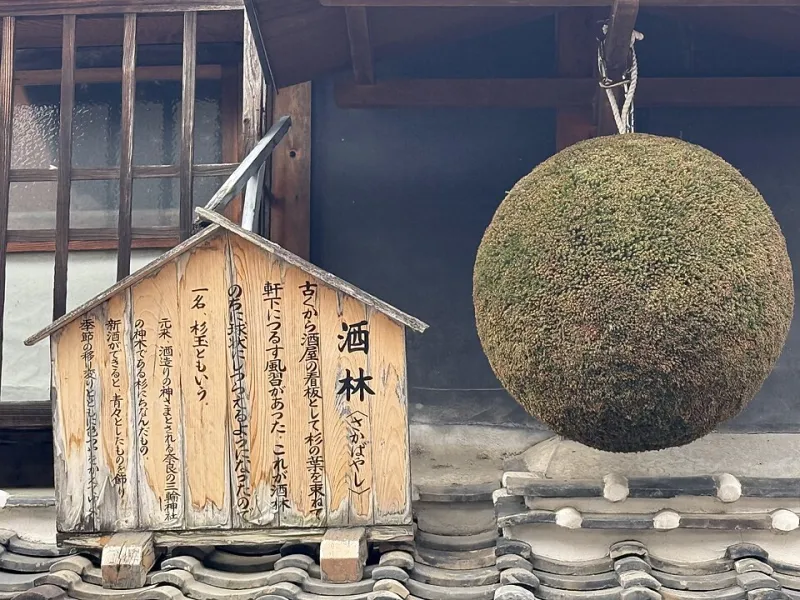
Photo: Makoragi, CC BY 4.0, via Wikimedia Commons
There's a particular kind of quiet that settles over the town of Nishida in Niigata Prefecture on a February morning. Snow sits heavy on the cedar rooftops of the old kura — the sake breweries that have defined this stretch of Japan's northwestern coast for three hundred years. Steam rises from fermentation tanks. The air smells of rice, water, and something older than either. And standing inside one of those tanks rooms, hands wrapped around a ceramic cup, is a sommelier from Portland who flew fourteen hours specifically for this moment.
"I've done Burgundy. I've done the Willamette Valley. I thought I understood fermentation," says Marcus Delray, a beverage director at a Pacific Northwest restaurant group who made the trip last winter. "Japan broke my brain in the best possible way."
He's not alone. Quietly, almost without announcement, Japan's rural sake-producing regions have become one of the most talked-about destinations in American wine and spirits circles. Not the polished sake bars of Tokyo's Ginza district, not the tourist-facing experiences packaged for Instagram. The real draw is somewhere far less convenient — and, for the people making the journey, far more rewarding.
Why Now, and Why Rural Japan?
The timing makes sense when you trace the arc of American spirits curiosity. The craft cocktail boom of the 2010s sent bartenders to Scotland, Kentucky, and Oaxaca. The natural wine movement pulled sommeliers toward obscure European appellations. Now, a growing contingent of beverage professionals is turning east, drawn by a fermented rice beverage that doesn't fit neatly into any Western category.
Sake is neither wine nor beer, though it shares DNA with both. It's brewed, not distilled. It can be delicate or funky, dry or lush, sparkling or still. And critically, the best of it comes from places most Americans couldn't locate on a map — towns like Fushimi in Kyoto Prefecture, Saijo in Hiroshima, and the Nada district of Hyogo, each producing sake with a regional character as distinct as a Grand Cru Burgundy.
For professionals trained to think in terms of terroir, the concept translates immediately. The mineral profile of local water — soft in Fushimi, hard in Nada — shapes the sake's texture and finish as definitively as soil shapes a grape. "Once you understand that the water is everything, you start wanting to taste the water," says Delray. "And the only way to do that is to go."
Niigata: The Burgundy of Sake Country
If there's a region drawing the most American attention right now, it's Niigata. Situated on Japan's Sea of Japan coastline, the prefecture produces some of the country's most celebrated junmai daiginjo — the premium, highly polished style that represents sake at its most refined. The cold winters and pure snowmelt water create conditions that brewers have spent generations learning to exploit.
The town of Nagaoka sits at the heart of this. It's a functional mid-sized city, not a postcard village, but the breweries surrounding it tell a different story. Firms like Tamagawa and Hakkaisan have been operating for well over a century, and both now offer structured tours that go considerably deeper than a tasting room pour. Visitors can observe the koji cultivation process — the controlled mold growth that converts rice starches into fermentable sugars — and spend time with toji, the master brewers whose knowledge is passed down through apprenticeship rather than textbooks.
For American sommeliers accustomed to winery visits, the experience is familiar in structure but alien in almost every detail. "You think you know what you're looking at and then you realize you don't," says Jenna Okafor, a certified sake professional and former restaurant sommelier who now leads small-group sake tours for American travelers. "The koji room alone — the temperature, the smell, the precision of it — there's nothing like it in Western winemaking."
Hiroshima's Saijo District: Smaller, Quieter, Worth the Detour
If Niigata is sake's Burgundy, Saijo might be its Alsace — a compact, walkable brewing district where eight breweries sit within a few blocks of each other, their distinctive red-brick chimneys visible from the train station. The area is technically accessible as a day trip from Hiroshima city, but travelers who linger overnight find a completely different experience: brewery dinners, late-night conversations with local brewers, and a pace that belongs to another era entirely.
Saijo's sake tends toward a richer, more umami-forward profile than Niigata's — a reflection of the region's harder water and different rice varieties. Tasting through both regions back to back is, according to Okafor, one of the most instructive experiences in sake education. "It's the same drink and it's completely different. That's when people really get it."
Several of Saijo's smaller breweries have begun offering English-language tours in response to growing international interest, a shift that reflects the broader professionalization of sake tourism. It's still intimate — these are family operations, not visitor centers — but the welcome is genuine, and the pours are generous.
The Slow Travel Angle
What's notable about the Americans making these trips is how deliberately they're traveling. This isn't a sake crawl bolted onto a Tokyo city break. The people showing up in Niigata and Saijo are planning itineraries around brewing seasons, timing visits for the shinshu period from October through February when fresh sake is being produced, and building in days rather than hours at each stop.
It's a version of slow travel that the broader spirits tourism world has been moving toward for years — the same instinct that sends whiskey enthusiasts to Speyside for a week rather than an afternoon, or pulls mezcal devotees deep into Oaxacan villages rather than stopping at the airport duty-free. The destination becomes the point, not the backdrop.
"I wasn't there to check a box," says Delray. "I was there to understand something. That takes time."
Practical Notes for the Curious
Getting to Japan's sake regions requires commitment. Niigata is roughly two hours from Tokyo by Shinkansen — not far, but far enough that most tourists skip it. Saijo is a short train ride east of Hiroshima, making it a logical add-on for anyone already planning a western Japan itinerary.
Brewing season runs October through March, with the most activity — and the most access — concentrated in the winter months. Some breweries require advance reservations for tours; others are walk-in friendly. The Japan Sake and Shochu Makers Association maintains an English-language resource listing participating breweries, and guided tour operators like Sake Experience Japan and Sake Tours have begun catering specifically to American trade visitors.
Language remains a barrier at smaller operations, but it's rarely insurmountable. A phrasebook, a little patience, and genuine enthusiasm for what's in the glass go a long way. The toji know when someone is paying real attention.
The Glass at the End of the Road
There's a reason the word "pilgrimage" keeps coming up when American sake travelers describe these trips. It's not just the distance or the effort. It's the feeling, standing inside a three-hundred-year-old brewery with snow falling outside, that you've arrived somewhere that matters — somewhere that has been quietly doing extraordinary things long before anyone outside Japan was paying attention.
The sake in your cup tastes better for having traveled to meet it. That, in the end, is the whole point.