From Dusty Cabinet to Craft Menu: The Vermouth Revival Taking American Bartenders to Europe
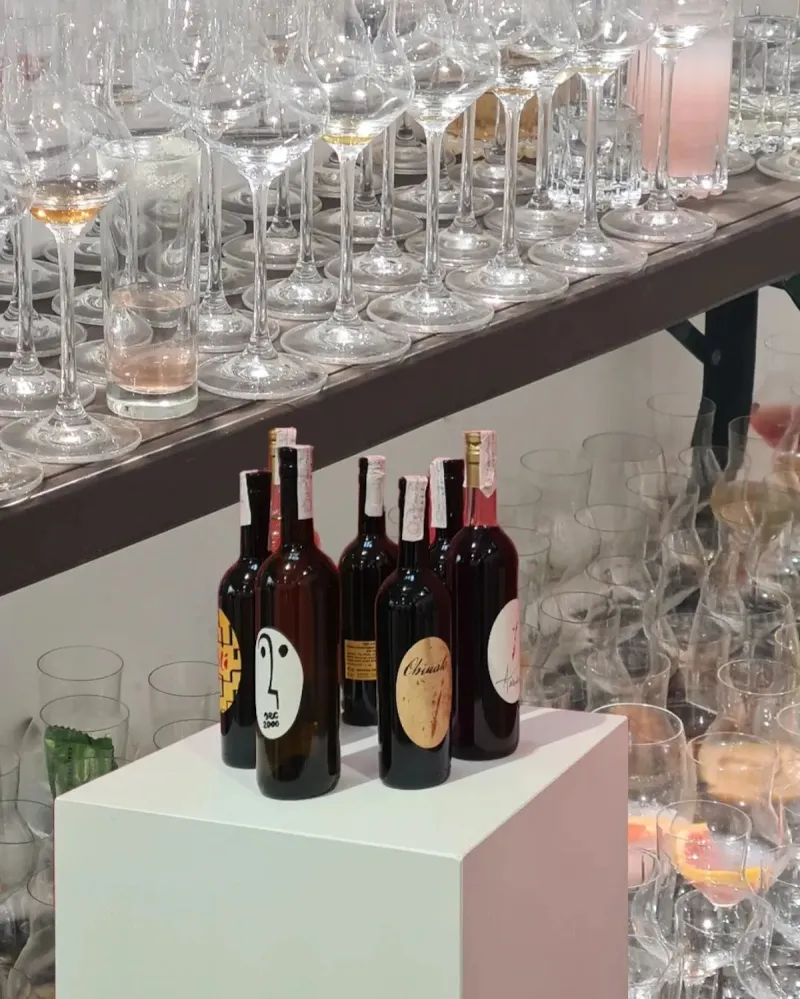
Photo: vermouth aperitivo bar Turin Italy traditional bottles glasses, via italysegreta.com
Ask most Americans what they know about vermouth and you'll get one of two answers. Either a vague memory of a half-empty bottle gathering grime behind the gin, or a knowing nod from a cocktail nerd who's been quietly obsessing over the stuff for years. The gap between those two camps is closing fast—and the bridge between them runs straight through the cobblestone streets of Turin and the sun-bleached tapas bars of Barcelona.
Vermouth is having a moment. Not a trendy, Instagram-fueled moment that fades by next season, but a genuine cultural reckoning. American bartenders are flying to Europe specifically to meet the small-batch producers behind the labels. Craft cocktail menus are devoting entire sections to vermouth-forward drinks. And a new generation of drinkers, bored with the same rotating cast of bourbon and mezcal options, is discovering that a chilled glass of good vermouth over ice—maybe with an orange twist and a fat green olive—is one of the most satisfying drinks you can put in your hand.
If you want to understand why, you need to go to where it started.
Turin: Where Vermouth Was Born and Never Left
Piedmont's capital doesn't always make the top of American travelers' Italy lists. Rome, Florence, the Amalfi Coast—those tend to dominate the itinerary. But Turin has something those places don't: it's the birthplace of vermouth, and the locals never stopped drinking it.
The story begins in the late 18th century, when Antonio Benedetto Carpano started infusing local wine with alpine herbs, roots, and spices in a shop near the Piazza Castello. The drink caught on fast among the Savoy court and eventually spread across Europe. What makes Turin special today isn't just the history—it's the fact that the aperitivo ritual here is practically sacred. Pull up a stool at any bar along Via Po around 6 p.m. and you'll find locals nursing small glasses of vermouth alongside tiny snacks, not rushing, not performing for social media, just drinking well.
Boutique producers like Contratto and Cocchi operate out of the surrounding Asti hills, and both have opened their doors to curious visitors in recent years. Cocchi's winery in Canelli, about an hour south of the city, offers tastings that walk you through the complexity of what vermouth actually is—a wine base, fortified with neutral spirit, then aromatized with a proprietary blend of botanicals that can include everything from wormwood and gentian to citrus peel and cardamom. The number of herbs in a single recipe can reach into the dozens.
American bartenders who've made the pilgrimage describe it as a kind of recalibration. "You taste vermouth straight from the producer and you realize how much of what we've been mixing with back home has been compromised by age and bad storage," one New York-based bar director explained after a trip through Piedmont last year. "It changes how you think about every drink that calls for it."
The Spanish Angle: Vermut Culture on the Ramblas and Beyond
If Turin gave vermouth its origin story, Spain gave it a second life. The Spanish have their own deeply embedded relationship with vermut—and theirs is less about refinement and more about pure, joyful ritual.
In Barcelona, the vermut hour is a pre-lunch institution that predates brunch by about a century. Neighborhood bars in the Gràcia and Poble Sec districts fill up around noon on Sundays with locals sharing small plates of anchovies, olives, and chips while working through carafes of house vermouth, often poured from a tap. It's communal, unhurried, and entirely unpretentious.
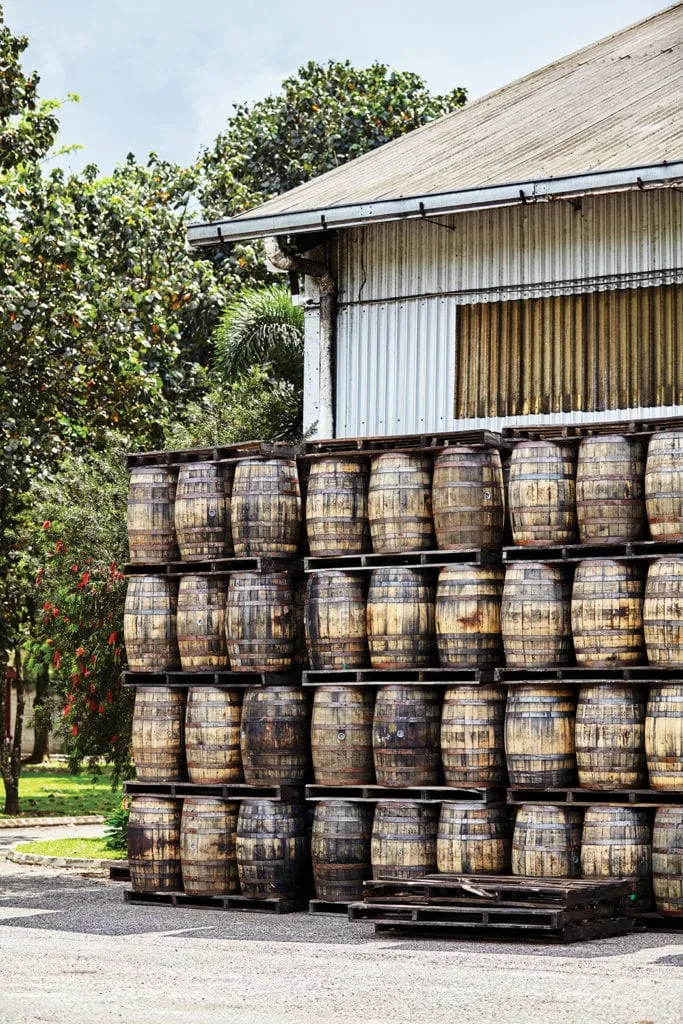
The Catalonian city also has a growing roster of boutique producers worth seeking out. Yzaguirre, one of Spain's oldest vermouth houses, operates out of the Terra Alta region in southern Catalonia and has become a favorite among US importers in the last few years. Their facilities offer tours that give you a real sense of the solera aging process—where vermouth is blended and aged in a progression of barrels, similar in concept to sherry production.
Reus, a small city about an hour south of Barcelona, is sometimes called the vermouth capital of Spain. It doesn't have the tourist infrastructure of the big cities, which is exactly the point. The handful of traditional producers still operating there—some in the same family hands for four or five generations—represent the kind of under-the-radar travel experience that actually means something. You're not visiting a brand. You're visiting a craft.
Why American Bartenders Are Paying Attention Now
The timing of this revival isn't accidental. It tracks closely with a broader shift in American cocktail culture toward lower-ABV drinking, ingredient transparency, and a renewed interest in European aperitivo traditions. Hard seltzers opened the door; natural wine propped it open; and now vermouth is walking through.
There's also a practical element. As more American craft producers have started making domestic vermouth—labels like Imbue out of Oregon, Lo-Fi out of California, and Uncouth from New York have all built real followings—curious drinkers started asking questions about the category as a whole. And those questions tend to lead back to Europe.
The storage issue has also been addressed more openly. Vermouth is wine. It oxidizes after opening. For decades, American bars treated it like a pantry staple with an indefinite shelf life, which is why so many people's memories of it are sour and flat. The craft bar world has hammered home the message: keep it in the fridge, use it within a few weeks, treat it like the perishable, living product it is. That single shift in practice has transformed how vermouth tastes in a well-made Manhattan or a properly built Negroni.
Planning Your Own Vermouth Trip
If this is the kind of travel that speaks to you—slow, purposeful, built around a single thread of culture you want to pull—a vermouth-focused trip through northern Italy and Spain is genuinely one of the most rewarding itineraries you can piece together.
Start in Turin. Give it three or four days. Drink the aperitivo hour seriously. Visit Canelli. Take the train to Milan if you want a city fix, but come back to Piedmont before flying out.
Then fly to Barcelona. Spend a Sunday doing nothing but vermut bars in Gràcia. Rent a car and drive down to Reus and Terra Alta. Eat well. Drink slowly. Talk to the people behind the bars and the barrels.
You won't come home the same way you think about that bottle in your liquor cabinet. Which is, honestly, the whole point of going anywhere.