The Sour That Started a Revolution: How Lima Became the Cocktail Capital the World Wasn't Ready For
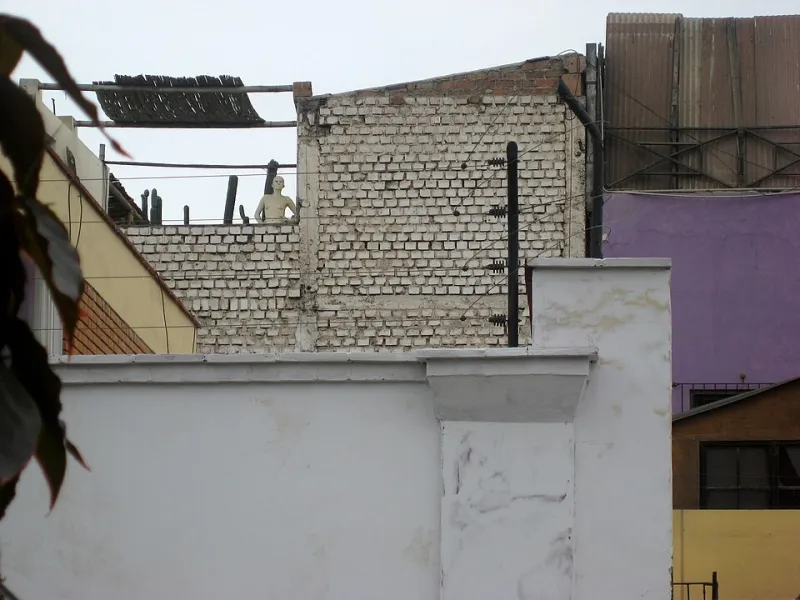
Photo: Kat Walsh, CC BY-SA 3.0, via Wikimedia Commons
There's a moment that happens to a lot of American visitors in Lima, usually somewhere around the second pisco sour. The bartender sets it down — that pale, frothy, citrus-sharp glass with its bitter dash of Angostura on top — and something clicks. This isn't a novelty cocktail. This isn't a souvenir in a cup. This is a drink with a story, a terroir, and a culinary philosophy behind it that rivals anything you'd find in New York, Portland, or San Francisco.
Lima has spent years quietly assembling one of the most exciting cocktail scenes on the planet. While food travelers have been making pilgrimages to the Peruvian capital for well over a decade — drawn by the global reputation of restaurants like Central and Maido — the bar culture running parallel to that culinary boom has largely flown under the radar for American drinkers. That's starting to change, fast.
Pisco First, Everything Else Second
To understand Lima's cocktail renaissance, you have to start in the fields. Pisco — Peru's national spirit, a grape brandy distilled from specific varietals grown along the coastal valleys south of the city — isn't just a base spirit here. It's a cultural identity. Peruvians feel about pisco the way the Scots feel about Scotch, and that possessiveness has, over time, produced an extraordinary depth of craft.
Unlike many spirits that get homogenized for export markets, pisco retains a remarkable range of expressions depending on the grape variety used. Quebranta, the most common, delivers earthy, full-bodied pours. Italia and Torontel, made from aromatic grapes, are floral and almost perfumed. Acholado blends multiple varietals for balance and complexity. American bartenders who make the trip down often describe it as a revelation — a spirit with the versatility of gin, the terroir conversation of wine, and the sipping potential of a quality brandy.
The Ica Valley and the Moquegua region produce some of the most sought-after bottles, and a growing number of Lima's serious cocktail bars now stock deep selections that would make any spirits-focused traveler want to pull up a stool and start working through the menu methodically.
Where the Chefs and Bartenders Decided to Collaborate
What separates Lima's cocktail culture from other emerging scenes is the degree to which it's intertwined with the city's food movement. This isn't a coincidence. Peru's culinary revolution — led by chefs who treated indigenous ingredients like high-value luxury goods — created a template that bartenders followed deliberately.
Ingredients like huacatay (a sharp, herbaceous black mint), chicha morada (a purple corn drink with ancient roots), lucuma (a subtropical fruit with a maple-adjacent sweetness), and ají amarillo (a fruity, medium-heat pepper that's become something of a bartender's obsession) are now staples behind the bar. The result is a cocktail vocabulary that couldn't exist anywhere else in the world.
Bars like Carnaval, tucked into the Barranco district, have built entire menus around this intersection of culinary technique and mixology. Think pisco infused tableside with herbs you've never encountered, or sours that use fermented corn as a natural foaming agent instead of egg white. It's ambitious, occasionally weird in the best possible way, and consistently delicious.
Barranco vs. Miraflores: Choosing Your Lima Drinking Neighborhood
For the American traveler plotting a Lima itinerary around the bar scene, the city's geography matters. The two neighborhoods that anchor the cocktail experience couldn't feel more different from each other.
Miraflores is the polished, ocean-view district where Lima's upscale hotel bars operate. The drinks are technically precise, the spaces are gorgeous, and the pisco selections are serious. If you're easing into the city or want a reliable, high-end experience, start here. Rooftop bars overlooking the Pacific at sunset have a way of making you feel like you made exactly the right travel decision.
Barranco, on the other hand, is where Lima's creative class lives and drinks. Colorful colonial architecture, street art, and a bohemian energy that's drawn comparisons to Buenos Aires' Palermo neighborhood. The bars here are more experimental, the crowds younger and more local, and the prices considerably friendlier. This is where you'll find bartenders who double as foragers, menus that change with the seasons, and a general sense that something interesting is always about to happen.
Spend at least one night in each. Budget more time in Barranco.
The American Bartender Pipeline
Word travels fast in the drinks industry, and Lima has been generating genuine buzz among American bartenders for several years now. A growing number of US-based mixologists are making working trips to Peru — some to stage at prominent Lima bars, others simply to drink their way through the scene and bring ideas home.
What they're finding is a community that's remarkably open to exchange. Lima's bartenders tend to be deeply proud of their local ingredients and traditions but genuinely curious about technique and flavor from outside. Conversations at the bar here have a collaborative energy that some travelers describe as reminiscent of the early days of the American craft cocktail movement — that feeling of being present when something important is being built.
For American travelers who aren't industry professionals, this translates into a bar experience that feels unusually engaged. Ask questions about the pisco on the menu and you're likely to get a proper education. Show up curious and the bartenders will meet you there.
Planning the Trip: What to Know Before You Go
Lima is a year-round destination, though the austral summer months of December through March bring warmer temperatures and a livelier energy to the outdoor bar terraces in Barranco. The city's perpetual coastal fog — locals call it the garúa — can make other months feel overcast, but it rarely disrupts a good evening out.
Flights from major US hubs like Miami, Houston, and New York connect directly to Lima's Jorge Chávez International Airport, with flight times ranging from roughly five to eight hours depending on your departure city. The city is in the same time zone as Eastern Standard Time for most of the year, which makes the adjustment easier than many international destinations.
A few practical notes for the bar-focused traveler: Lima's cocktail scene skews late, with serious bars not hitting their stride until 10 p.m. or later. Prices are dramatically lower than comparable experiences in US cities — a beautifully crafted pisco cocktail at a top Barranco bar might run you four to six dollars. And while Spanish is obviously the dominant language, Lima's hospitality industry is generally well-equipped to communicate with English-speaking visitors.
One City, One Spirit, One Very Good Reason to Book the Flight
The travel cliché says that the best time to discover a destination is just before everyone else does. Lima's cocktail scene is somewhere in that window right now — developed enough to deliver a genuinely world-class experience, but not yet so overrun with international attention that it's lost the local character that makes it worth the trip.
The pisco sour has been Peru's calling card for decades. What's happening in Lima's bars right now is a whole lot more than that — and American travelers with a taste for discovery, a curiosity about spirits, and a willingness to stay out past midnight are exactly the audience for it.
Drink in the world. Lima's pouring.