Boots Off, Pint Down: A Thru-Hiker's Field Guide to the Bars at the End of the Trail
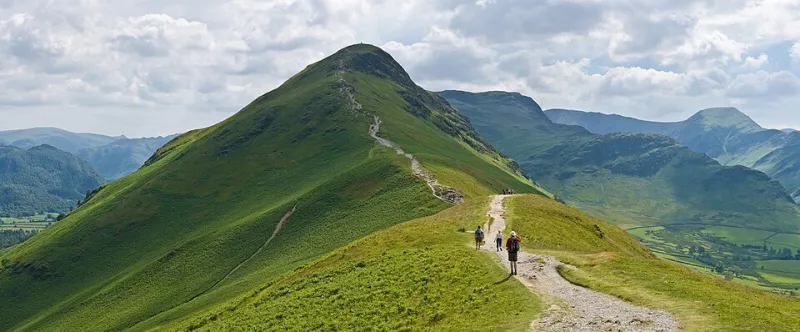
Photo: Diliff, CC BY-SA 3.0, via Wikimedia Commons
The last mile of a long trail is always quieter than it should be. You expect some kind of crescendo, a soundtrack, a sign. Instead there's pavement, a road crossing, and the smell of someone else's hamburger.
Then a shower. Then a pint.
Those first beers after a thru-hike are a specific genre of drinking. The bar doesn't have to be good. It has to be close to the trail, tolerant of gear, and open within twenty minutes of when you come off the mountain. The best ones have been doing it for decades and know exactly what a person who has walked 2,000 miles needs — which is a chair, a cold beer, and absolutely no questions.
The Geography of a Post-Trail Pint
A gateway town exists because the trail does. It's usually a small place with an outfitter, a hostel, a laundromat, and one bar where the whole system funnels. Those bars are seasonal, cash-heavy, and deeply idiosyncratic. Here's where to find them.
The Appalachian Trail
Hot Springs, North Carolina. The trail literally runs down the sidewalk of this town, which means hikers wander past storefronts in the direction of the bar like it's a continuation of the walk. The tavern in the old station building is the anchor — stone, wood, cold draft beer, and a dining room full of people comparing blisters.
Damascus, Virginia. Trail Days in May turns this town into the largest gathering of hikers in America. The rest of the season it's quieter and better: pizza, cheap beer, and a downtown that functions as a giant hiker box with buildings.
Monson, Maine. The town at the end of the Hundred-Mile Wilderness. Nobody arrives here casually. The bar knows it, the kitchen stays open a little late, and the porch fills with people who have not seen a paved road in days.
Waterbury, Vermont. For the Long Trail crowd. A small town with an outsized beer scene — the brewpub downtown is the standard post-hike reward for Northern Vermont.
The Pacific Crest Trail
Cascade Locks, Oregon. The single best post-trail bar on the PCT — a brewery patio on the Columbia River, practically underneath the Bridge of the Gods, where hikers cross into Washington and immediately stop for a beer. PCT Days in August is the big convergence.
Ashland, Oregon. Big brewery, big patio, and a town that has been quietly absorbing PCT hikers for years. Shower first. The taproom will still be there.
Mammoth Lakes, California. The brewery in town is the standard resupply reward, and the free trolley makes getting back to the motel with a full pack slightly less grim.
Julian, California. Famous for pie, and for being the first real town most northbounders touch. The drinking is modest. The pie is not.
The Other Long Paths
Arizona Trail funneling into Flagstaff, where a Mother Road brewery pours local beer and the town is full of people who look like they've been outside for a month, because they have.
Continental Divide Trail into Silver City, New Mexico — a genuinely excellent brewery in a genuinely strange town, plus the best hiker box luck in the Southwest.
John Muir Trail into Lone Pine and Bishop, where the highest pass in the lower 48 dumps you into a valley of chile rellenos and cold beer.
Wonderland Trail into Ashford, Washington, where the inn near the park entrance has been feeding and watering circumnavigators of Mount Rainier forever.
Hiker Boxes, Shuttles, and the Logistics Nobody Explains
The bar is doing more than pouring. In most gateway towns, it's also the information desk.
Hiker boxes. Every hostel, outfitter, and sometimes the bar itself has a box or shelf of abandoned supplies — fuel canisters, oatmeal, half a jar of peanut butter. Take what you'll actually use. Don't take it all. Leave something better than what you found.
Shuttles. Call the day before, not the morning of. Ask the bartender — the schedule is usually on a whiteboard behind the register, and the driver is frequently a regular.
The two-hour window. Resupply, shower, laundry, then drink. Doing it in the other order is how you end up on a bus at dawn in wet clothes.
Credit card and cash. Small-town bars run on cash, and small-town ATMs run on hope. Carry both.
The Unwritten Rules of Drinking With Thru-Hikers
Buy a round; don't make a speech. Trail culture runs on quiet reciprocity, and a beer bought without comment is the highest form of it.
Don't ask how many miles unless they volunteer it. The answer is either an invitation to a long conversation or a small wound.
Don't touch the pack. It's not a bag. It's the entire household.
Hiker midnight is 9 p.m. If someone leaves the table early, they're not being rude. They've been awake since five, in the dark, with a headlamp.
Don't offer a ride you can't actually give. In a town full of hitching, a vague offer becomes a logistical obligation.
If someone's hiking out tomorrow, let them go. The celebration is tonight. The mountain is tomorrow, and it isn't moving.
When to Go
Late spring through early fall is the whole season. The Appalachian south fills up around Trail Days in May; the Pacific Northwest peaks in August when the Oregon and Washington stretches line up. In between, pick a gateway town on a Tuesday, sit at the bar, and buy the next muddy person a beer. That's the entire culture. Everything else is logistics.