The Cape's Other Pour: A Cocktail Route Through Rooibos, Buchu, and Brandy
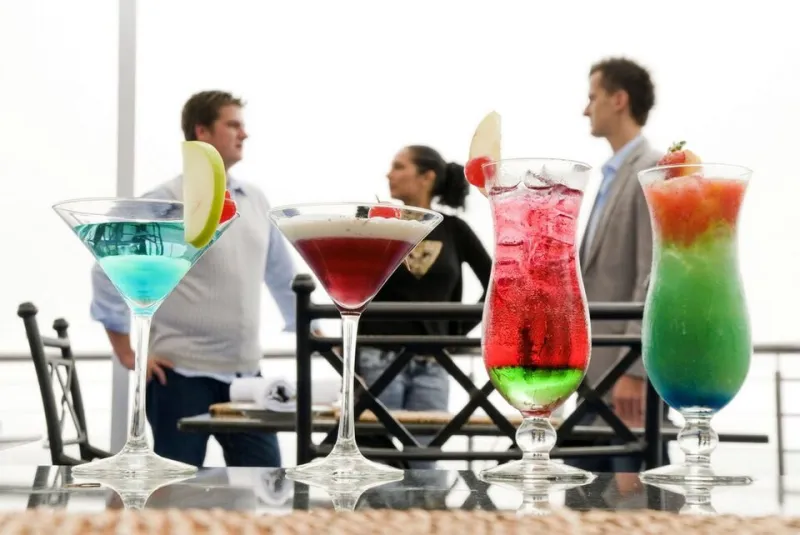
Photo: South African Tourism from South Africa, CC BY 2.0, via Wikimedia Commons
The Cape Winelands has a well-worn script. You fly into Cape Town, drive to Stellenbosch or Franschhoek, and spend a few days tasting Cabernet and Chenin Blanc on estates that look like they were designed for a glossy magazine. That trip is still worth doing. But it is no longer the only drink story in the Cape.
A new generation of bartenders in Cape Town and the surrounding wine towns is building a cocktail scene around ingredients that actually come from here: rooibos, buchu, fynbos, stone fruit, and potstill brandy. The result is a drink culture that feels specific to South Africa rather than imported from London or New York. For travelers who like to stay a while, it also makes a great slow-travel base.
Why the Cape Winelands Needs a Second Look
The wine is not going anywhere. That is the point. The cocktail route works best when you treat it as a supplement to wine country, not a replacement. You can spend a morning tasting wine on a farm, then drive back to Cape Town for a cocktail bar that uses the same landscape in a different form.
Cape Town is also a natural base for remote workers and long-stay travelers. It has reliable internet in many neighborhoods, a large creative class, and a cost of living that is lower than most US cities. If you are planning a month in South Africa, you can work during the week and build drink-focused weekends around the Cape.
Cape Town: Start With the City's Bar Talent
Begin in Cape Town, where the bartending talent is concentrated. The city center and surrounding neighborhoods have a mix of hotel bars, neighborhood cocktail spots, and restaurants with ambitious drink menus. Bree Street and the surrounding blocks are a good starting point, but do not limit yourself to one area. Woodstock, Sea Point, and the Atlantic Seaboard all have their own scenes.
Look for bars that list South African ingredients by name. A drink with rooibos syrup, buchu bitters, or potstill brandy is a sign that someone is paying attention. The city also has a strong coffee culture, which means many bars understand how to build non-alcoholic drinks with real flavor. Ask for an NA cocktail if you want one. The best bartenders will not blink.
Franschhoek: Wine Farms, Then a Nightcap
Franschhoek is the postcard version of the Cape Winelands, and it is still a lovely place to spend a night or two. The main street is walkable, the restaurants are serious, and the surrounding farms produce some of the country's best-known wine. But the cocktail angle here is smaller and more intimate.
Look for restaurants and bars that treat the aperitif hour as part of the experience. A brandy-based cocktail before dinner, a rooibos-infused spritz on a terrace, or a bitter digestif after a long meal can be just as memorable as a formal tasting. The pace is slower than Cape Town, which is the point. If you are working remotely, Franschhoek is better as a weekend escape than a full-time base.
The Ingredients That Make the Cape Taste Like the Cape
Rooibos is the easiest entry point. The red bush tea is earthy, slightly sweet, and works well in syrups and infusions. Bartenders use it in highballs, sours, and hot drinks. Buchu is more assertive: a botanical with a minty, savory edge that shows up in bitters and gin-style infusions. Fynbos, the broader category of Cape vegetation, gives bartenders a whole pantry of herbs and flowers to work with.
Potstill brandy is the backbone. South Africa has a long brandy history, and potstill brandy is richer and more flavorful than the mass-market stuff. In cocktails, it behaves like a Cognac or aged rum. Try it in a classic brandy cocktail, or ask for something built around stone fruit and bitters. The result is a drink that tastes like the Cape rather than a generic hotel bar.
A Three-Day Route That Leaves Room to Linger
Day one: land in Cape Town, settle in, and do a low-key bar crawl in the city center. Start with a cocktail bar that uses local ingredients, then move to a wine bar for a glass of Chenin Blanc. Day two: drive to Franschhoek for a long lunch and a wine tasting, then return to Cape Town for a nightcap. Day three: stay in the city and explore a different neighborhood, ideally with a bottle-shop stop so you can bring ingredients home.
If you have more time, add a day in Stellenbosch. The town is bigger than Franschhoek and has a younger bar scene, thanks to the university. It is also a good place to find affordable tastings and casual restaurants.
Where to Stay If You're Working Remotely
For a longer stay, look at neighborhoods with good coffee, grocery stores, and coworking spaces. Cape Town's city center, Gardens, and Woodstock are practical choices. Sea Point is good if you want ocean air and a more residential feel. If you are in Franschhoek for a weekend, stay within walking distance of the main street so you can drink without driving.
Remember that South Africa's seasons are reversed. The Cape's summer is December through February, which is also peak tourist season. If you want fewer crowds and lower prices, aim for the shoulder months. Just pack layers, because the weather can turn quickly.
The Detour That Pays You Back
The Cape's cocktail scene is not trying to compete with London or New York. It is doing something more interesting: making drinks that could only come from this place. For a traveler, that is the best reason to order a second round. Pair it with wine country, stay a little longer, and let the Cape show you its other pour.