Sun, Sand, and Something Stronger: Why Arizona's Wine Country Is the Craft Spirits Road Trip You Didn't See Coming
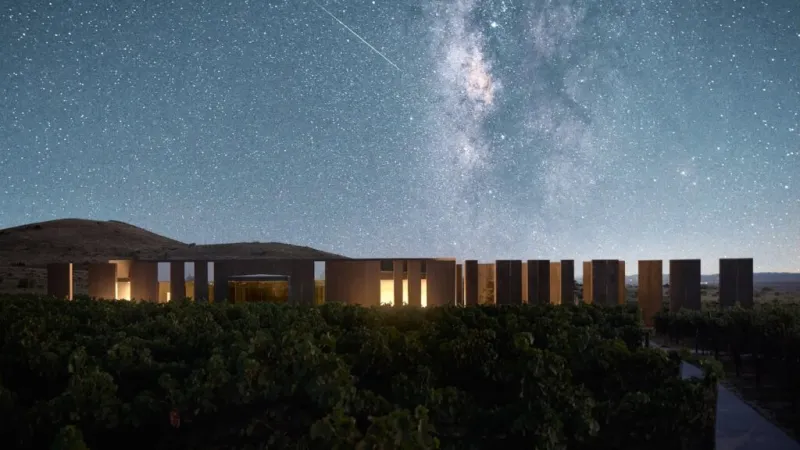
Photo: Arizona vineyard desert landscape barrels winery tasting room, via www.azuremagazine.com
Most people picture cactus, heat, and maybe a cold beer when they think about drinking in Arizona. Fair enough. But somewhere between Phoenix's sprawl and the New Mexico border, something genuinely interesting is happening in the barrels — and a growing crowd of nomadic bartenders, spirit hunters, and road-tripping enthusiasts is starting to pay attention.
Arizona has been quietly building a wine industry for decades, mostly flying under the radar while California, Oregon, and Washington grabbed the headlines. But it's what a handful of producers are doing beyond the grape that's turning heads right now. The state's extreme climate — scorching days, surprisingly cold nights, and air so dry it would crack your lips in an hour — turns out to be a genuinely wild laboratory for barrel aging. And the results are worth driving a long way to taste.
The Climate Does the Heavy Lifting
Here's the thing about barrel aging in a place like Willcox, Arizona, sitting at around 4,200 feet above sea level in the southeastern corner of the state: the wood never gets a break. In traditional aging regions — Kentucky, Scotland, even the Texas Hill Country — barrels expand and contract with the seasons, slowly pulling spirit in and pushing it back out, building complexity over years. In Arizona, that same process gets compressed.
Summer days can push past 100°F while nights drop dramatically, sometimes by 40 or 50 degrees. That thermal cycling happens fast and often. The wood breathes harder. The spirit integrates quicker. Producers who've figured out how to work with the climate rather than against it are turning out brandies, whiskeys, and fortified wines with a depth and character that genuinely surprises first-time visitors.
It's not magic — it's physics and geography. But standing in a low-slung warehouse on a blazing afternoon, pulling a sample from a barrel that's been out here for eighteen months and tasting something that drinks like it's three years old, the distinction starts to feel academic.
Willcox: The Quiet Epicenter
Willcox doesn't look like a craft spirits destination. It's a small agricultural town, the kind of place with a good diner and not much else demanding your attention at first glance. But drive a few miles out into the Sulphur Springs Valley and the landscape opens up into something genuinely beautiful — rolling grassland, distant mountain ridges, vineyards stretching out in neat rows.
Several producers here have moved beyond wine into brandy and fortified wine production, taking the grapes they grow at elevation and pushing them further. Dos Cabezas WineWorks has long been a reference point for the region's wine credibility, but it's the smaller operations experimenting with distillation and extended barrel work that are worth seeking out for the spirit-focused traveler. Ask at any tasting room about who's doing something unusual with a still or a barrel program — the community is small enough that people talk, and you'll get pointed in the right direction.
The tasting room circuit in Willcox is genuinely relaxed. Nobody's charging you forty dollars for a flight or making you feel like you wandered into the wrong zip code. Pull up to a bar, ask questions, and you'll usually end up in a real conversation about what the land is doing to the liquid.
Verde Valley: The Other Arizona Story
About four hours northwest of Willcox, the Verde Valley operates at a different vibe entirely. This is day-tripper territory for Phoenicians, close enough to Sedona's red rock country that the tourist infrastructure is more developed. But tucked into the towns of Cottonwood and Cornville, there's a legitimate small-batch spirits scene worth building a stop around.
The elevation here is lower than Willcox — around 3,000 to 3,500 feet — but the diurnal temperature swings are still significant, and the producers who've set up shop here are experimenting with everything from agave-adjacent spirits (the proximity to Mexico's influence is real) to whiskeys finished in old wine barrels sourced locally. Arizona Stronghold Vineyards is a solid anchor for the wine side, but spend an afternoon wandering Old Town Cottonwood and you'll find tasting rooms that blur the line between winery and distillery in interesting ways.
For the nomadic traveler with a laptop and a flexible schedule, the Verde Valley has the added bonus of being genuinely livable for a few weeks. Short-term rentals are plentiful, the food scene punches above its weight, and Sedona is close enough for a hike without being so close that the tourist crowds spill over.
How to Build the Road Trip
The logical move is to fly into Phoenix, grab a rental car, and give yourself at least four or five days. Head southeast to Willcox first — the drive takes you through some striking high desert terrain, and arriving with a full day to explore the valley before the tasting rooms open the next morning is the right pace. Spend two nights, taste widely, and don't rush.
From Willcox, loop back through Tucson (worth a night for the food scene alone — the Sonoran influence here is excellent), then head north toward the Verde Valley for another two days. If you have the time, Prescott sits just above the Verde Valley and has its own nascent craft spirits scene worth a detour.
The drives between these regions are part of the experience. Arizona's highway system cuts through landscapes that shift dramatically — desert scrub giving way to grassland, grassland climbing toward pine forest — and there's a genuine sense of discovery in moving through country that most American travelers only see from 35,000 feet.
What's in the Glass
So what should you be looking for? Grape brandy aged in small American oak is the signature move for Willcox producers right now — the desert climate pushes vanilla and caramel notes forward faster than you'd expect, while the high-altitude fruit brings an acidity that keeps things from going flat. Fortified wines, particularly those modeled loosely on the Madeira and Port traditions, are another strong suit; the heat that would ruin a delicate white wine actually suits the oxidative style beautifully.
In the Verde Valley, look for whiskeys with local wine barrel finishes — the marriage of grain spirit and wine-soaked wood is being explored seriously here, and some of the results are genuinely compelling. Agave spirits are a growing category too, with producers sourcing wild and cultivated agave from southern Arizona and across the border.
The Takeaway
Arizona isn't trying to be Kentucky or California. That's the whole point. The producers working out here are using what the land actually gives them — extreme heat, dramatic temperature shifts, high-altitude fruit, arid air — to make something that couldn't exist anywhere else. That specificity of place is exactly what makes a spirits destination worth traveling for.
The crowds haven't arrived yet. The prices reflect that. And the people pouring in these tasting rooms are still at the stage where they genuinely want to talk about what they're making and why. Get there before the narrative calcifies and the tour buses start showing up.
The desert has always rewarded the curious traveler. Turns out, it's been aging something good the whole time.