Ancient, Alive, and Absolutely Worth the Detour: Mexico's Pulque Revival Is the Drink Story of the Decade
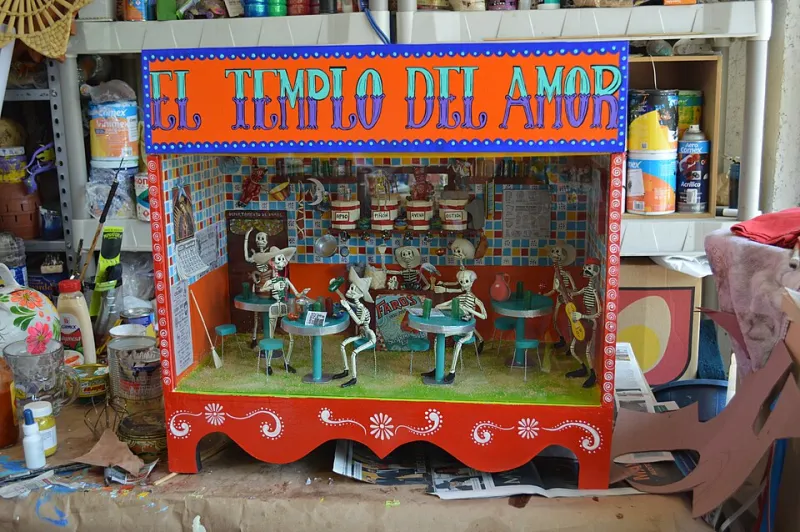
Photo: AlejandroLinaresGarcia, CC BY-SA 4.0, via Wikimedia Commons
You've had the margarita. You've done the mezcal tasting. Maybe you've even taken the obligatory tequila distillery tour outside Guadalajara. And all of that is fine — genuinely, it's great. But there's a drink older than all of them, one that fueled Aztec priests and farmers alike, that most American travelers never encounter because it doesn't appear on a laminated resort menu. It lives instead in dusty roadside pulquerías, in converted courtyard spaces in small-town Hidalgo, in the hands of tlachiqueros who still harvest sap from wild agave plants the same way their great-grandparents did.
That drink is pulque. And right now, it's having a moment.
What Pulque Actually Is (And Why It's Not Tequila's Cousin)
Pulque is fermented agave sap — specifically, the aguamiel (literally "honey water") drawn from the heart of the maguey plant before it flowers. Unlike tequila or mezcal, which are distilled from cooked agave, pulque skips the fire entirely. The sap is collected, allowed to ferment naturally over a few days, and consumed fresh. The result is a viscous, slightly foamy, mildly sour drink that clocks in somewhere between 4% and 8% alcohol — closer to a strong beer than a spirit.
The texture surprises people. It's thicker than you expect, almost silky, with a yeasty, tangy funk that takes a sip or two to appreciate. Flavored versions — called curados — blend the base pulque with fruit, nuts, seeds, or even oats, which softens the edge and makes it wildly approachable for first-timers.
Here's the catch: pulque doesn't travel well. It keeps fermenting, which means it sours and deteriorates within days of production. You can't really bottle it for export. You can't find it at your local Mexican restaurant in Austin or Chicago. If you want to drink pulque the way it's meant to be drunk, you have to go to it. That's the whole point.
A History That Goes Way Deeper Than the Craft Beer Boom
Pulque has been consumed in central Mexico for somewhere between 1,000 and 2,000 years, depending on which archaeological evidence you're reading. Pre-Columbian Mesoamerican cultures — the Aztecs chief among them — treated it as a sacred beverage, reserved for priests, warriors, elders, and women who had just given birth. Public drunkenness was a serious offense in Aztec society, but pulque occupied a ritualized, respected place in the culture.
After the Spanish conquest, pulque shifted from sacred to practical. Hacienda owners in central Mexico ran massive pulque operations in the 17th and 18th centuries, shipping the drink via dedicated rail lines to Mexico City, where pulquerías became the working-class social institution. At its peak in the early 20th century, Mexico City had thousands of pulquerías.
Then came beer. Backed by European capital and aggressive marketing, the Mexican brewing industry — Modelo, Corona, Tecate — effectively repositioned pulque as the drink of the poor and uneducated. By the late 20th century, it had largely disappeared from urban menus and middle-class consciousness. The pulquería was, for a long time, a place to be embarrassed about.
That stigma is now cracking apart.
Where the Revival Is Actually Happening
The resurgence is most visible in two places: Mexico City's colonias, where a younger generation of drinkers has reclaimed the pulquería as a cultural touchstone, and the rural states of Hidalgo, Tlaxcala, and Puebla, where traditional production never fully stopped.
Hidalgo is the place serious pulque travelers talk about first. The state sits about two hours north of Mexico City and is home to some of the densest concentrations of maguey cultivation in the country. Towns like Apan, once the center of the old hacienda pulque economy, are quietly rebuilding their identity around the drink. Small producers are opening their operations to curious visitors, and a handful of cultural organizations are working to get pulque production recognized as intangible cultural heritage.
In Tlaxcala — Mexico's smallest state and one of its most overlooked — you'll find tlachiqueros still practicing the traditional harvest method: using a long gourd called an acocote to suction aguamiel from the piña of the maguey plant twice daily. It's slow, labor-intensive work, and watching it done well is one of those travel moments that puts everything else into perspective.
Mexico City itself deserves a mention. Neighborhoods like La Merced, Xochimilco, and Tepito have pulquerías that have been operating for generations. Some newer spots in Colonia Roma and Condesa are bringing curados to a trendier crowd without completely losing the spirit of the thing. If you're using CDMX as a base — and you should be, because it's one of the great food and drink cities on the planet — building a pulquería crawl into your itinerary is a no-brainer.
How to Approach It as an American Traveler
A few things worth knowing before you go.
First, embrace the curado. If straight pulque's funky, fermented baseline isn't immediately clicking for you, a fruit-blended version — guava and celery are both surprisingly good — is a completely legitimate entry point. Nobody's judging.
Second, eat. Pulque and food are a natural pairing, and most traditional pulquerías serve botanas (snacks) alongside the drink. Chicharrón, tlayudas, memelas — the food is cheap, filling, and often excellent.
Third, go with some basic Spanish or a local contact if you can. The best pulquerías aren't tourist-facing operations. They're neighborhood spots where the regulars are going to be curious about you. That's a feature, not a bug. Some of the best conversations you'll have in Mexico happen over a clay cup of pulque in a place that doesn't have an English menu or a TripAdvisor listing.
Finally, adjust your expectations around consistency. Pulque is a living product. It changes day to day, batch to batch, season to season. The same spot might pour something transcendent on Tuesday and something a bit rough on Friday. That variability is part of what makes it real.
Why This Is the Drink Experience Mezcal Can't Give You
Mezcal is wonderful. Nobody here is arguing otherwise. But mezcal has, to a significant degree, been packaged and exported and explained. It has its own vocabulary, its own influencers, its own $85 bottles in Brooklyn bottle shops. That's not a criticism — it's a fact of how craft spirits spread.
Pulque hasn't been packaged. It can't be. Its entire existence is tied to a specific geography, a specific climate, a specific set of producers who learned the craft from their families. Drinking it means showing up somewhere real, sitting down with people who live there, and consuming something that will literally not exist in the same form next week.
That's the kind of travel experience that people describe years later. Not the resort pool. Not the Instagram-famous rooftop bar. The afternoon in a courtyard in Hidalgo, slightly buzzy from fermented agave sap, talking to a tlachiquero about the maguey plant that took twelve years to mature before he could harvest it.
Mexico has been offering Americans that kind of depth for generations. Most of us just keep booking the beach package. The pulque is waiting for the ones who don't.